
I have spent most of my life surrounded by fashion in some form.
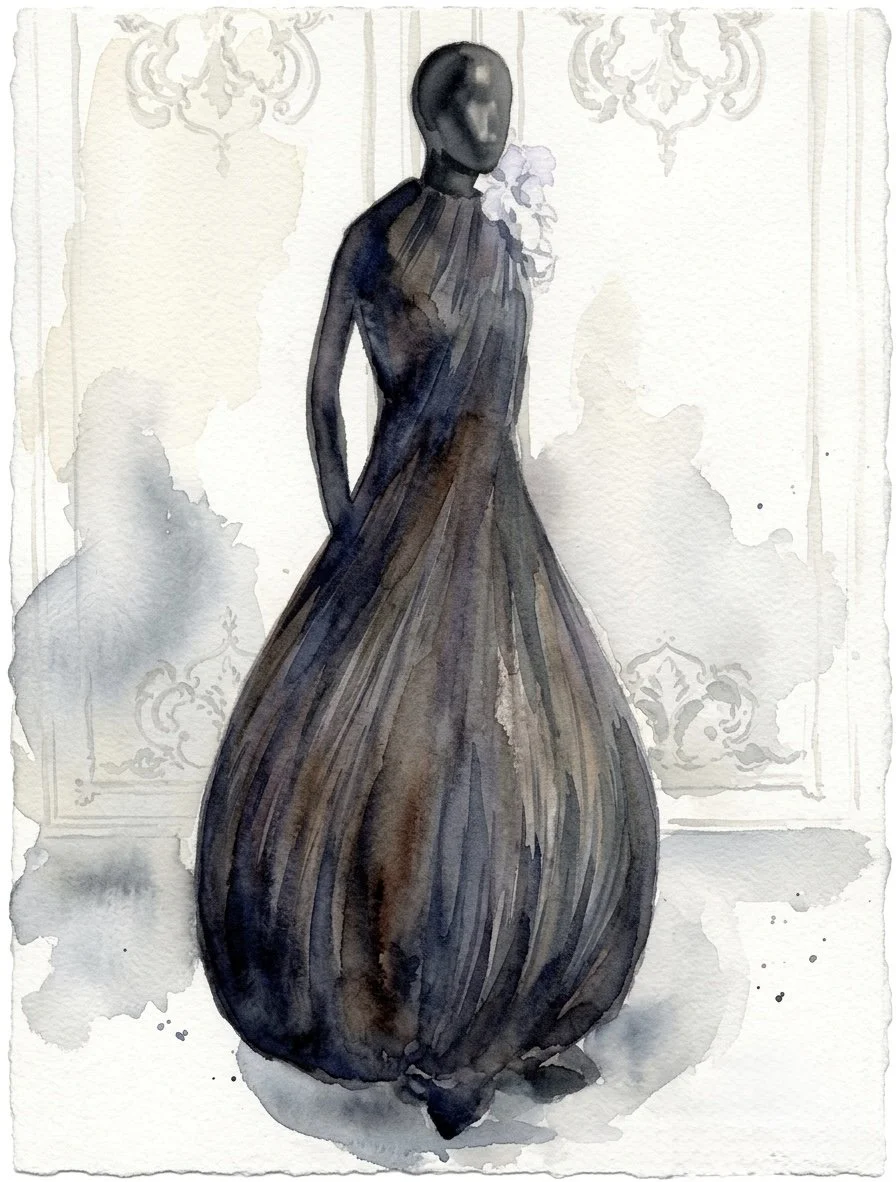
Growing up in Brooklyn, attending Fashion Industries High School, learning the vocabulary of garment construction and proportion before most kids learn algebra — fashion was never a hobby for me. It was a lens. A logic. A way of reading the world. And somewhere in that formation, Dior became my north star. Not because it was the most accessible.
Not because I was surrounded by it. But because it represented something I instinctively understood: that beauty is a form of architecture. That a dress is a structure with intention.
That was we put on our bodies tells a story about who we believe we are — or who we are becoming.
Paris, The Air Itself Was Different
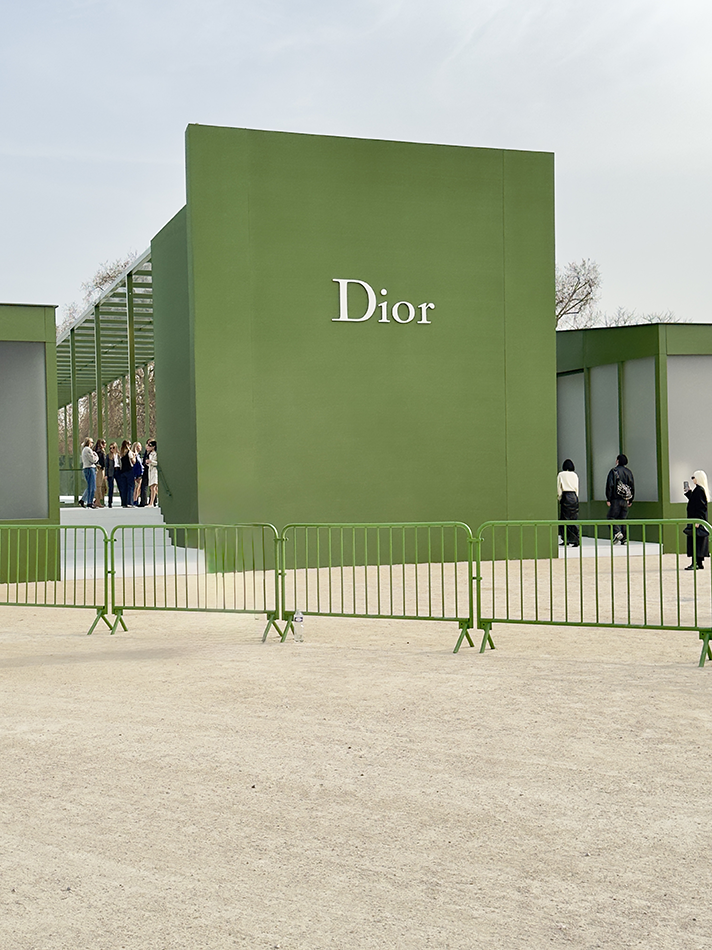
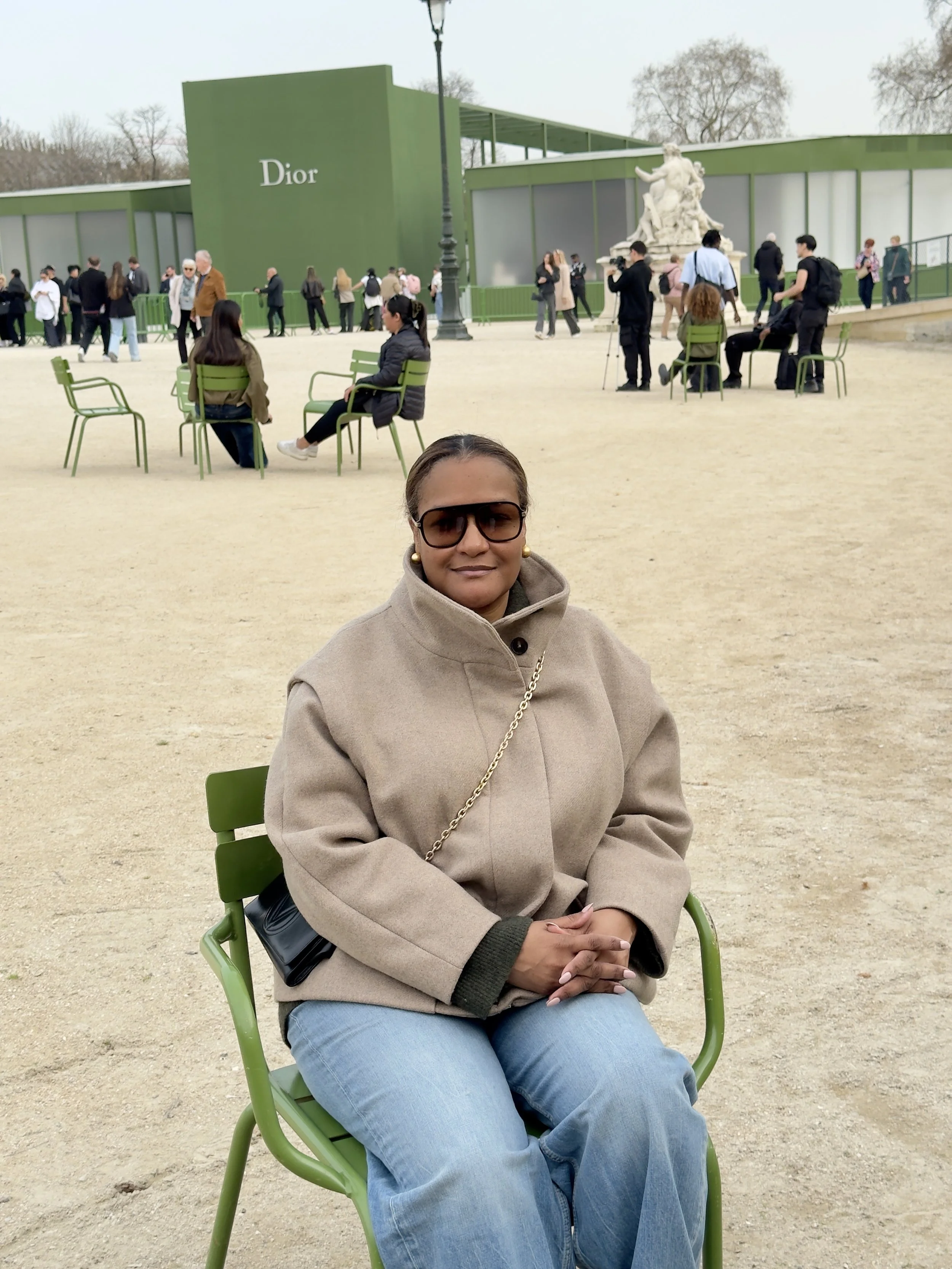
Paris Fashion Week. The runway I couldn’t enter — but could absolutely feel.
I went to Parish Fashion Week knowing I was not on the inside. I had no seat. No credentials. No name on a list. What I had was intention — and the kind of stubborn, reverent curiosity that had been building for decades.
The Dior show was happening. I was nearby. And that was enough.
What I witnessed from outside the perimeter was still, without question, one of the most extraordinary things I have ever seen. The set design alone. The sheer scale of it — the way the production infrastructure surrounded the venue like a city within a city. Crew moving with precision, structures rising that would exist for exactly a few days and then vanish.
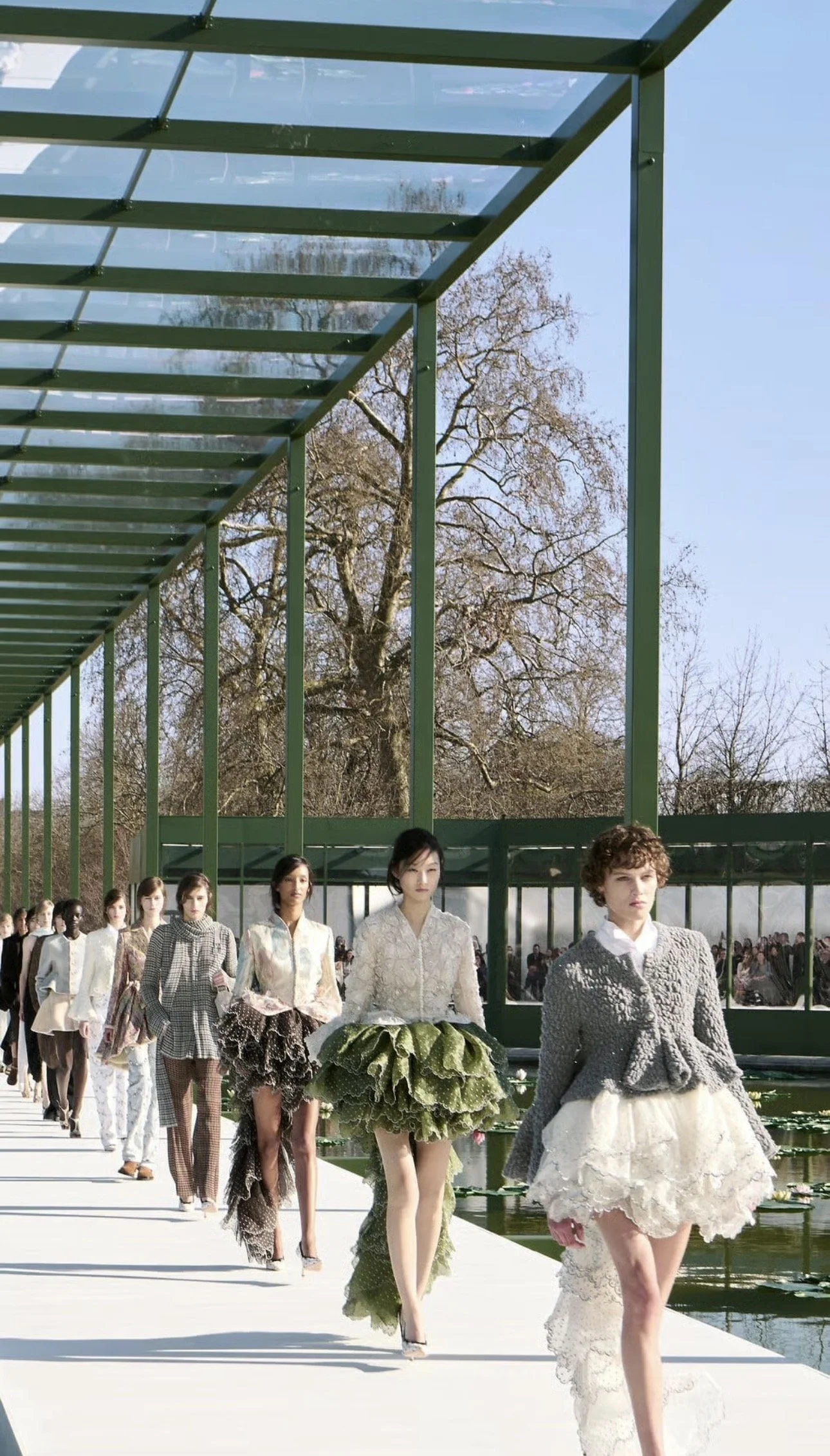
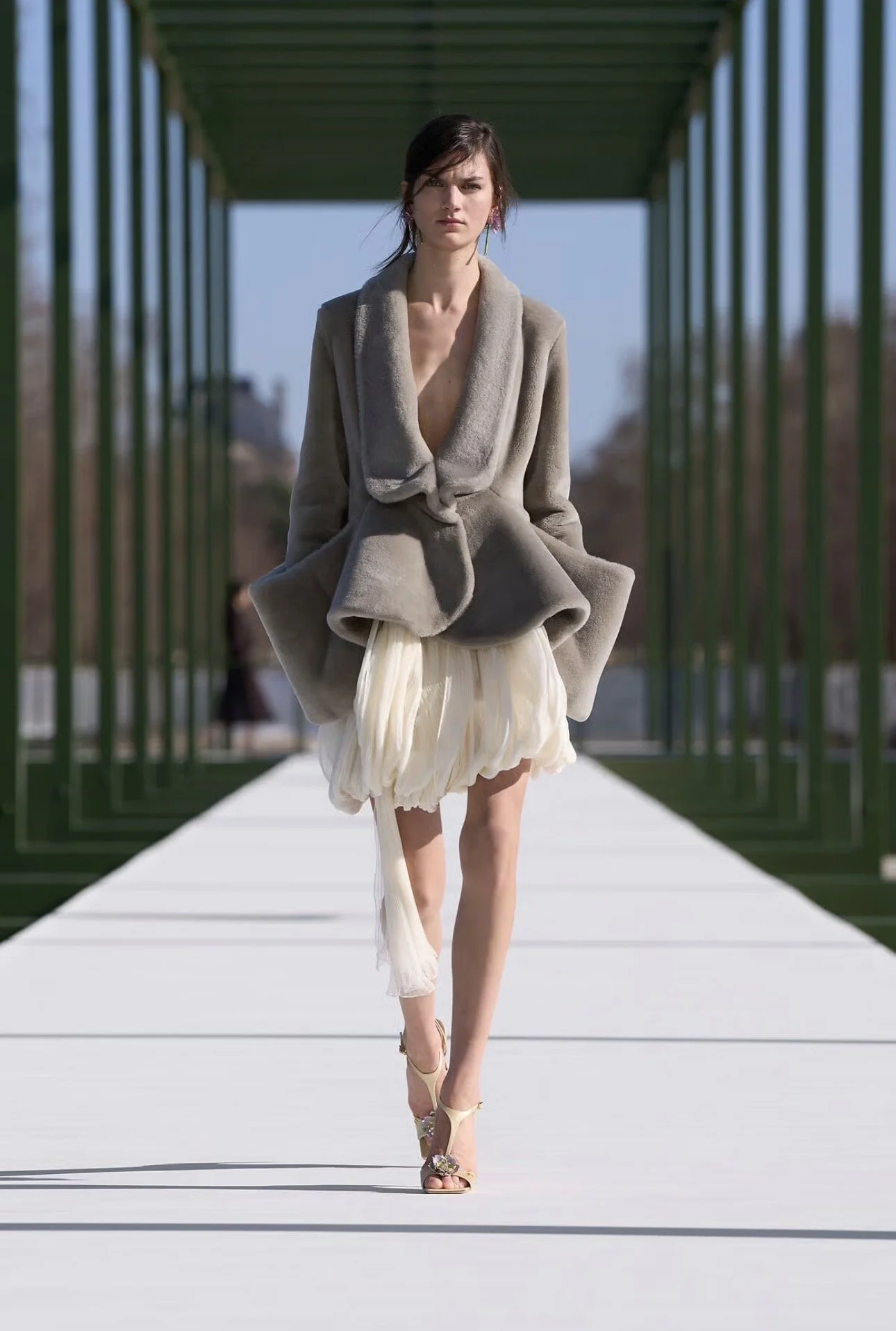
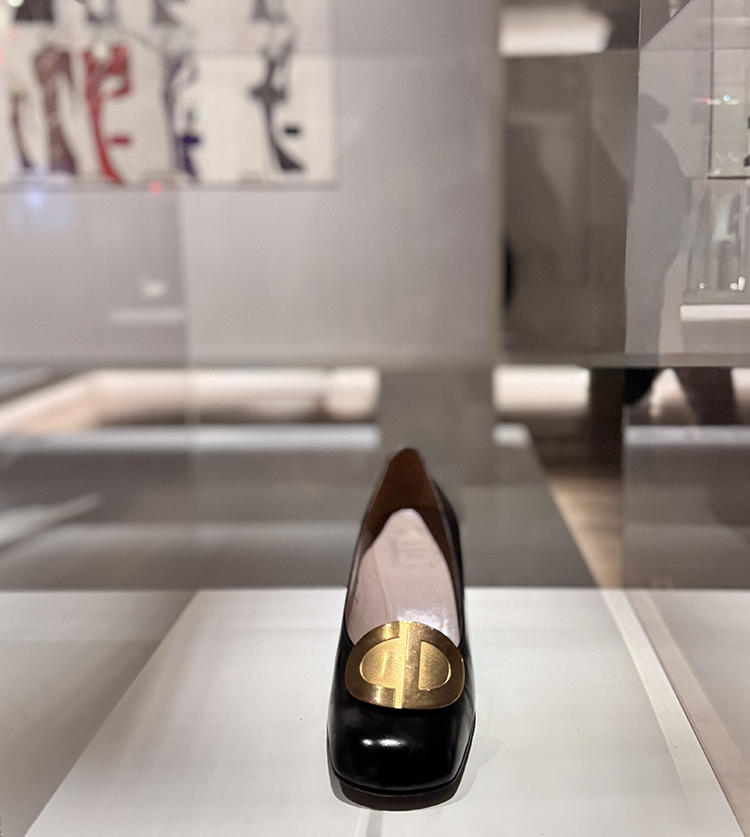
SCAD FASH Museum. Dior in a Room I Could Actually Enter
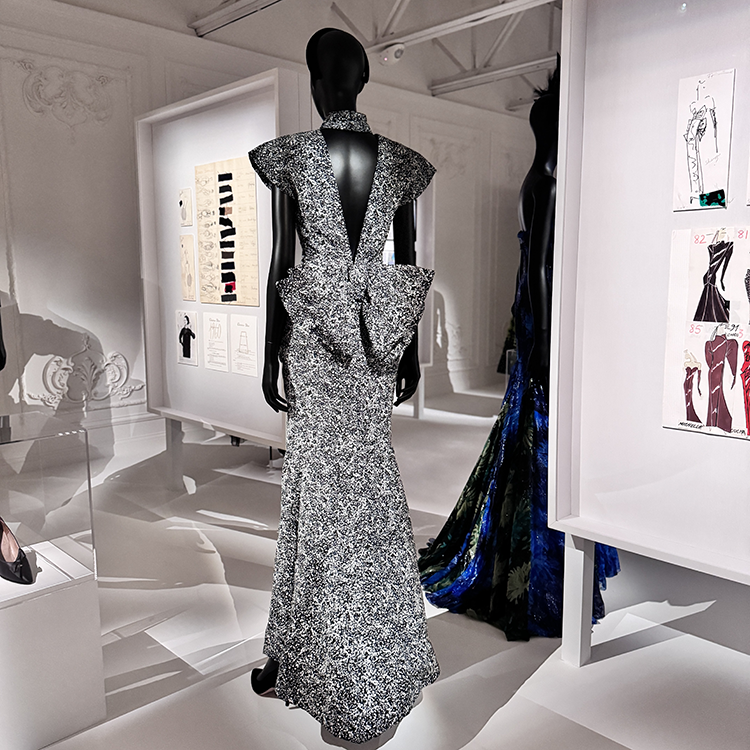
The exhibit traced Dior’s evolution in a way that felt curatorial in the truest sense — not chronological for chronology’s sake, but thematic. The recurring preoccupations: the bar jacket’s nipped waist as a kind of manifesto.
The garden as a recurring spiritual address. The way successive creative directors inherited the house’s DNA and then metabolized it into something entirely their own — Galliano’s romanticism, Simon's’ stark precision, Chiuri’s feminist reclamation. All of it traceable to that first 1957 New Look collection, which was itself a refusal to let the world stay diminished.
The SCAD FASH Museum of Fashion in Atlanta hosts some of the most thoughtfully curated fashion exhibitions in this country, and when the Dior exhibit arrived, I was there.
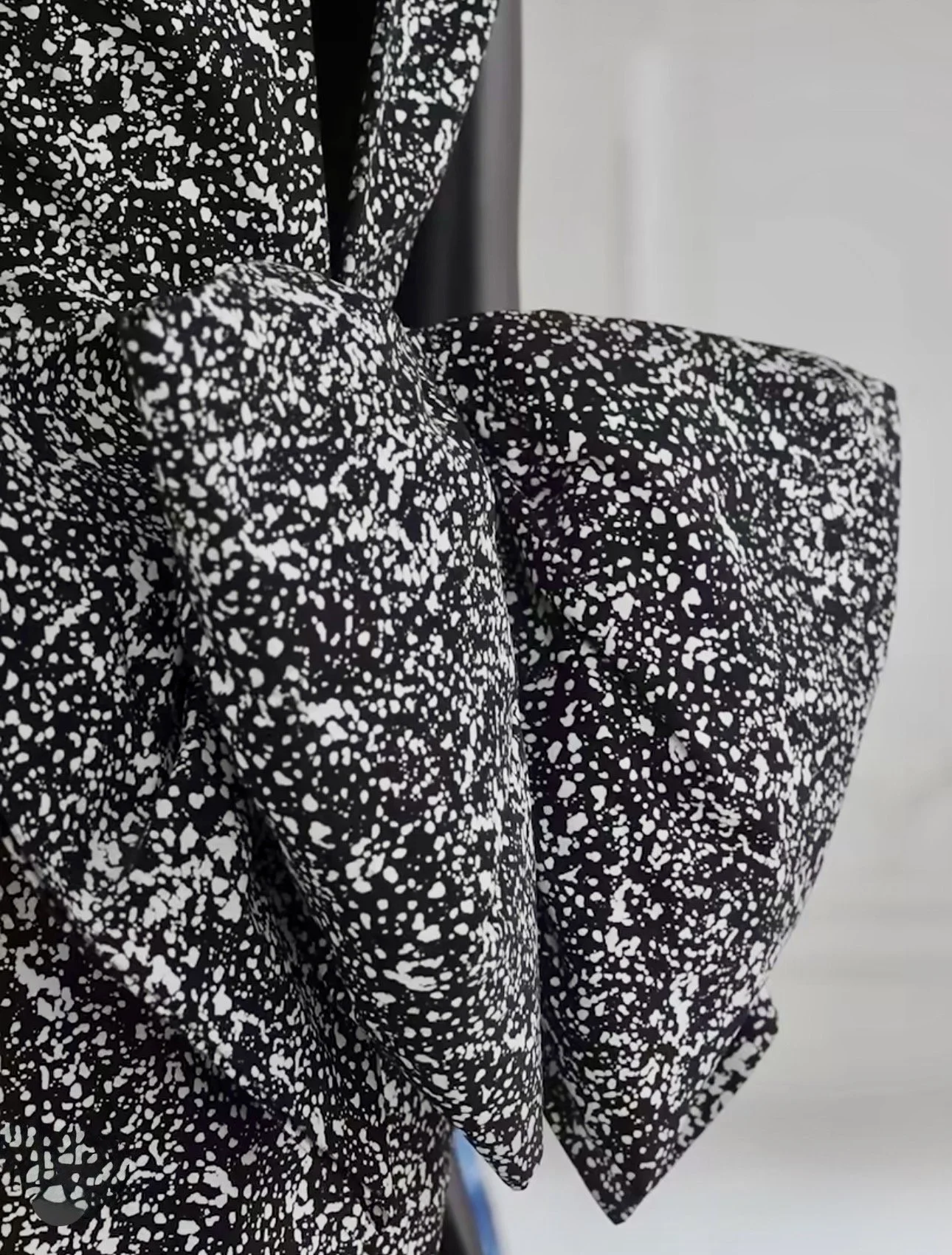
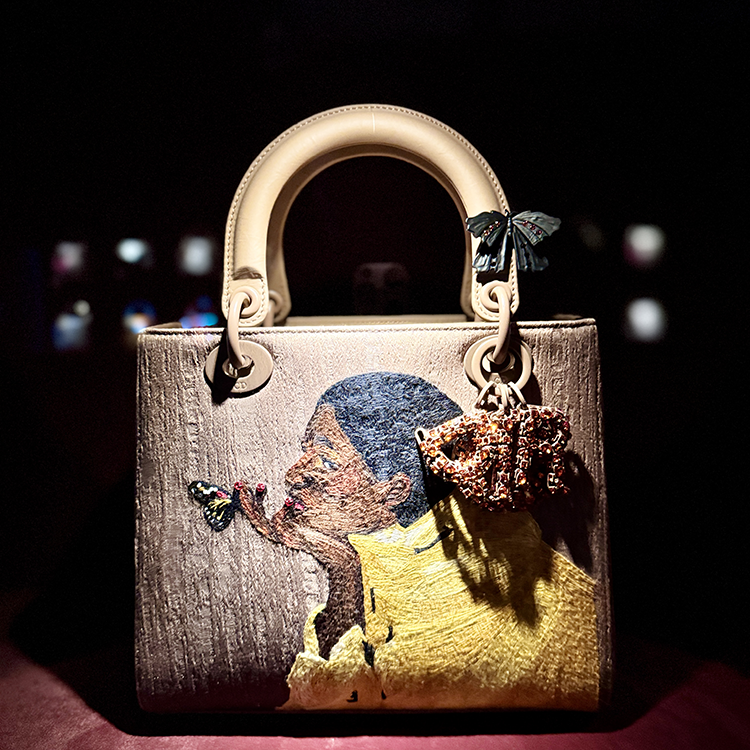
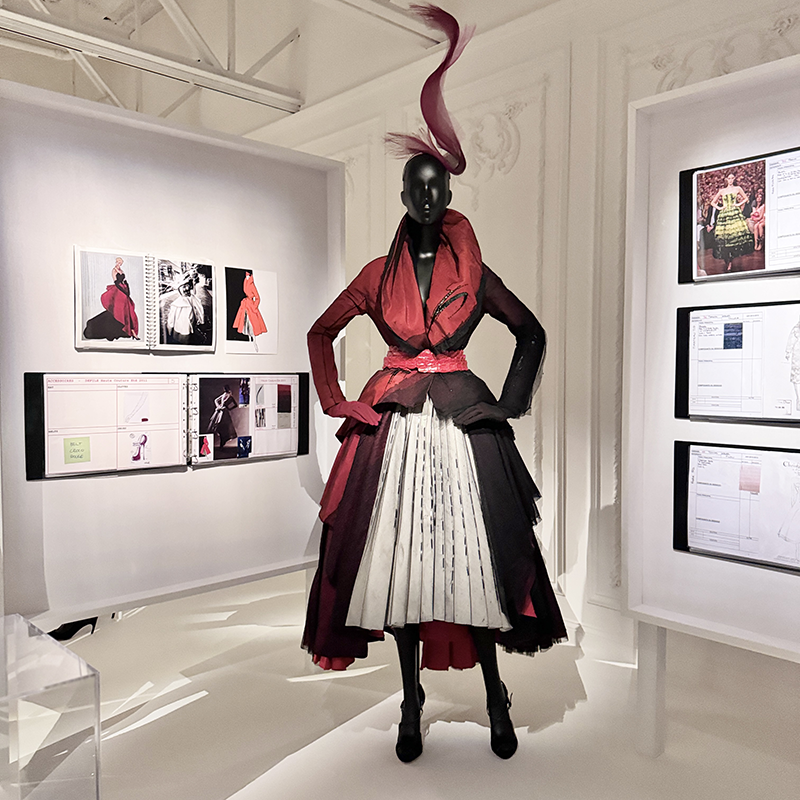
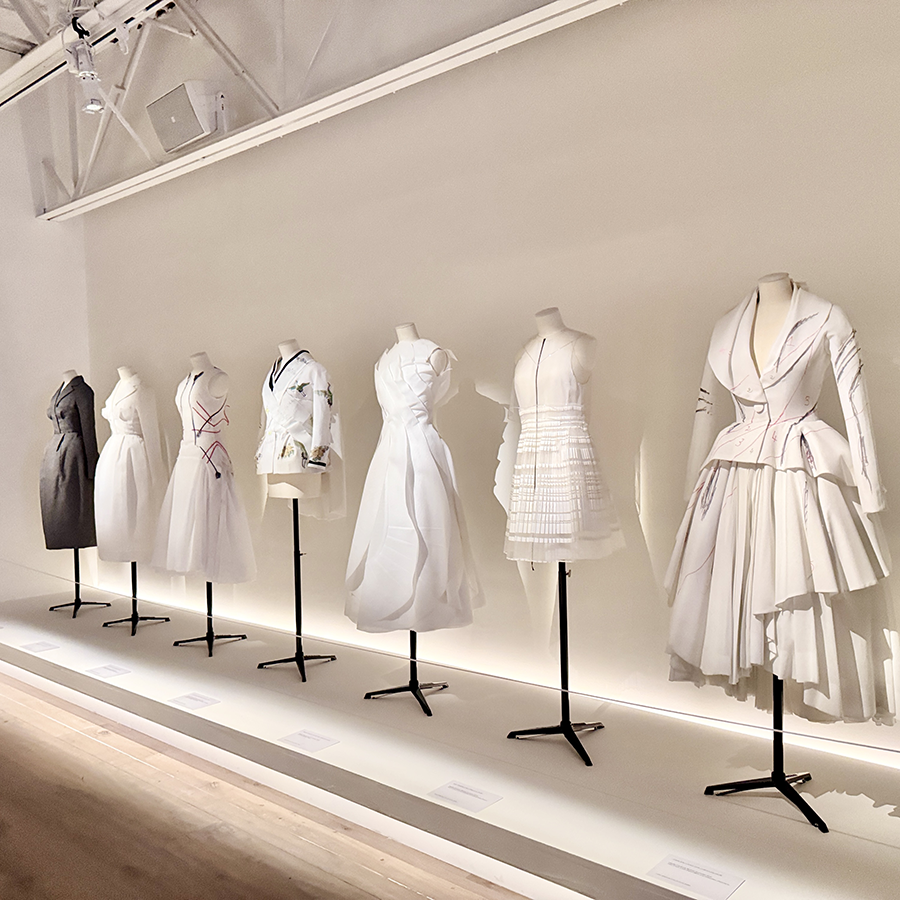
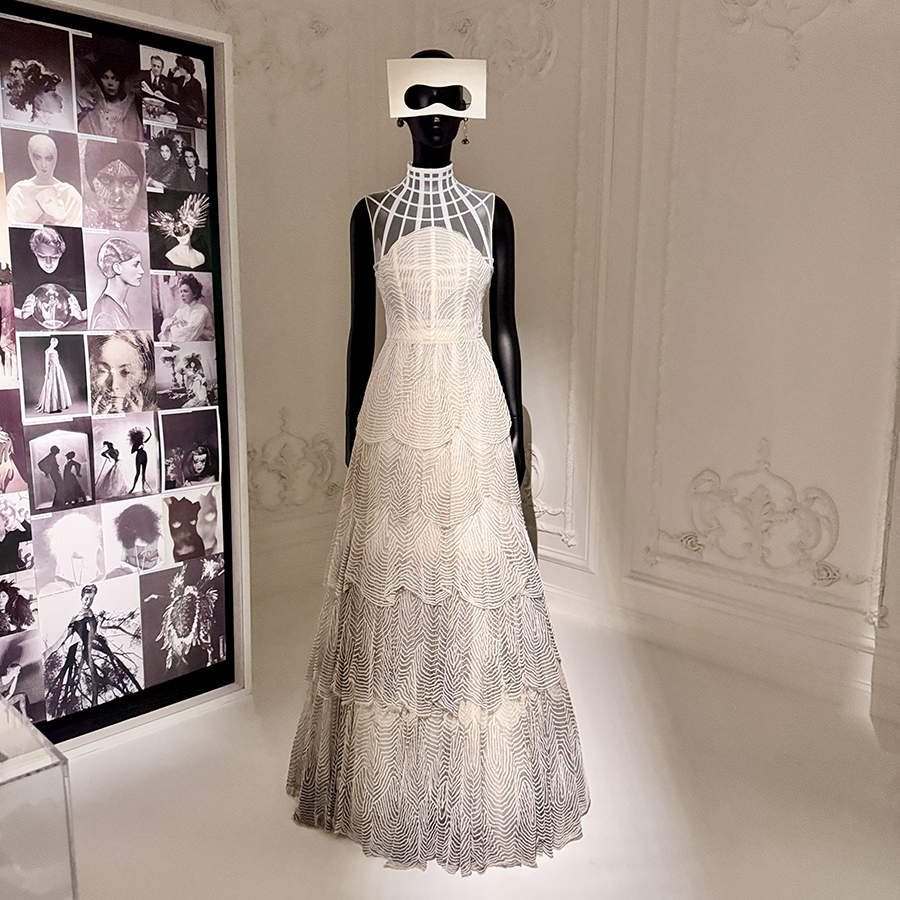
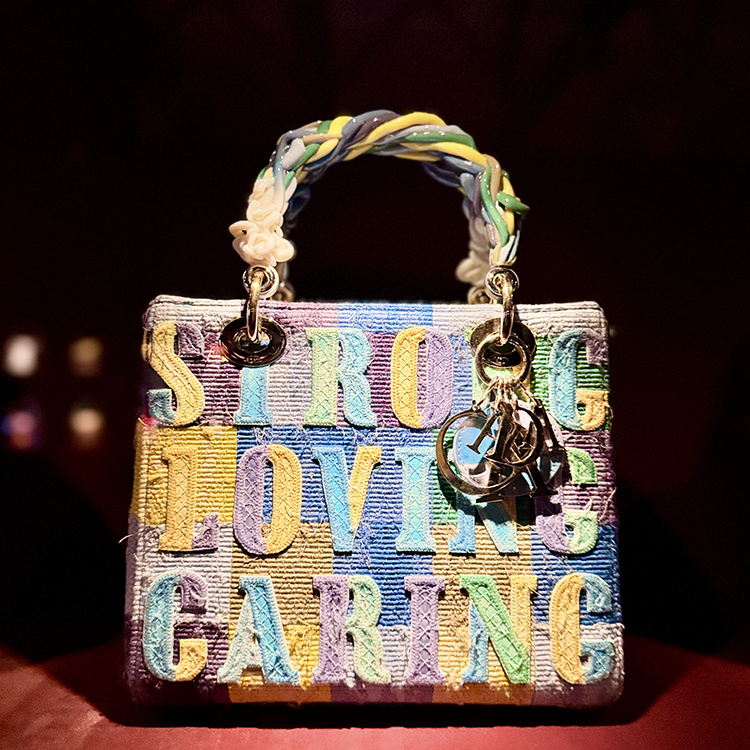
I am not someone who has ever been able to separate aesthetics from meaning. Fashion Industries High School taught me the technical vocabulary, but Brooklyn and Manhattan gave me the eye — the understanding that how something is made, and for whom, and with what care, is itself a kind of communication.
Dior communicates that it believes in the transformative power of beauty. That a woman who is dressed with intention — dressed as though she matters, dressed as though the world deserves her full expression — moves through space differently. Feels differently. Is seen differently.
Between the Paris streets and the SCAD galleries, I got two very different windows into the same house. One was the spectacle — enormous, controlled, breathtaking in its ambition. The other was the intimacy — quiet, archival, generous with its secrets.
Both of them confirmed what I already knew: some obsessions are not phases. They are formations. Dior is part of how I understand design, beauty, craft, and the stubborn human belief that how we inhabit the world is worth caring about.